When you’re setting up a room for your little one, every detail counts – from the crib mattress to the color of the walls. One often overlooked element is the artwork that surrounds your baby. Thoughtful art can calm, stimulate, and even support early development. This guide breaks down common concerns, offers concrete solutions, and shows you how to pick pieces that fit your space and style.
Why Art Matters in a Babies Room
Research suggests that visual stimuli can enhance a child’s attention span and language acquisition. Bright, high‑contrast images capture a baby’s eye movements, while soft, muted tones avoid overstimulation. By selecting the right art, parents can create a soothing environment that encourages exploration.
Choosing the Right Theme: Cultural and Natural Motifs
Modern babies rooms often feature minimalist designs, yet a subtle cultural or natural theme can add depth without cluttering the space. For instance, the Aboriginal Wall Decor image below showcases bold, geometric patterns that introduce color and rhythm.
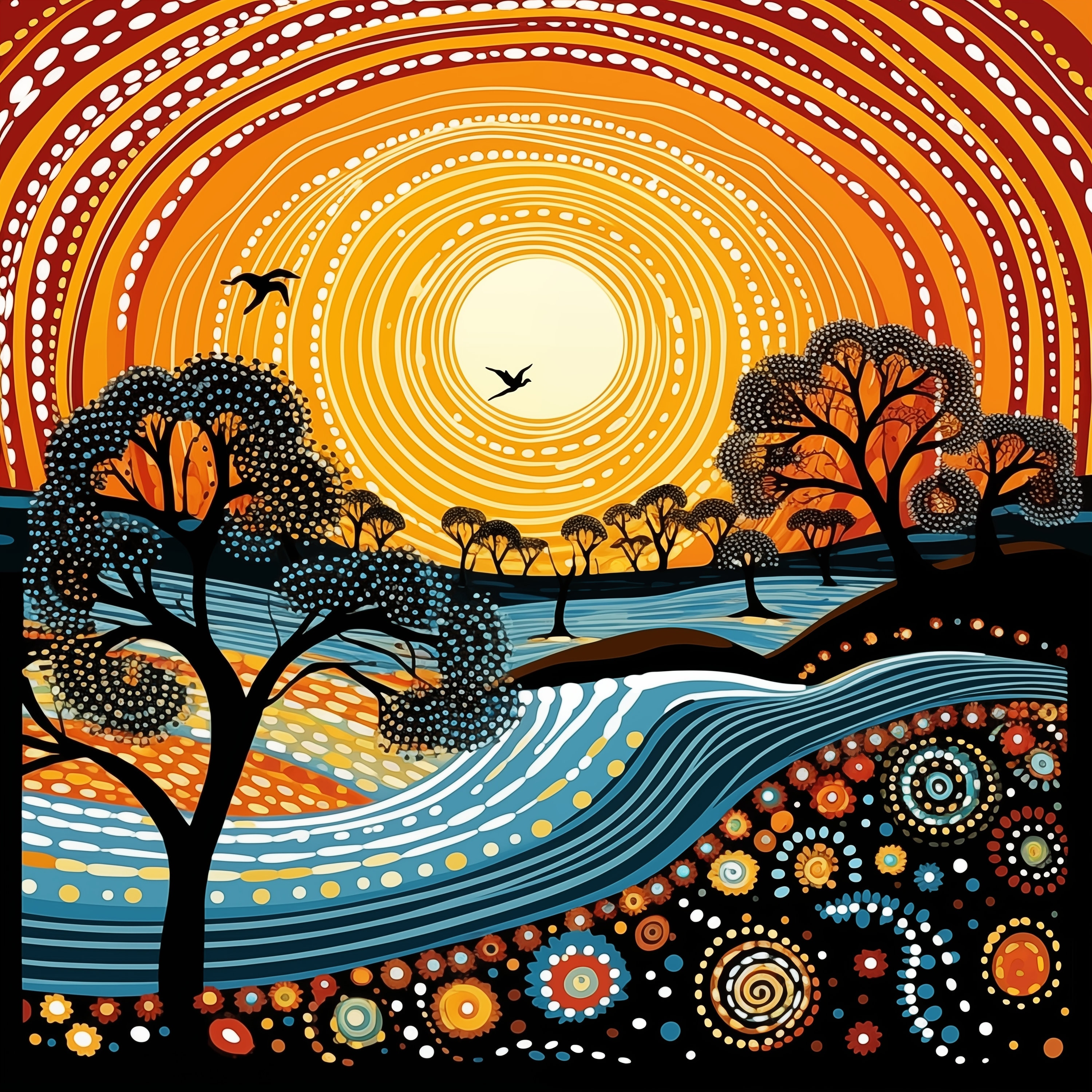
These designs not only look striking but also offer a gentle introduction to cultural storytelling. If you prefer something more serene, the Folk Art Landscape provides a gentle, pastoral scene that can lull a baby into calmness.

Both styles keep the color palette subdued, ensuring the artwork supports rather than distracts from the nursery’s primary focus.
Practical Tips for Selecting Artwork
- Safety first: Choose non‑toxic, low‑VOC paints and secure frames to the wall with child‑proof anchors.
- Size matters: For a crib wall, a 12x18 inch print keeps proportions balanced. Larger pieces can become focal points in the corner of the room.
- Easy swaps: Opt for frames with simple latches so you can update the art as your child grows.
- Match the color scheme: Use hues that complement the room’s primary colors. Soft blues, muted greens, and pastel pinks work well with most themes.
- Consider sensory impact: High‑contrast black‑and‑white images work best for newborns; once the baby’s vision matures, richer colors can be introduced.
Budgeting for Baby‑Friendly Art
Art doesn’t have to break the bank. DIY options like hand‑painted cards or scanned illustrations can be framed and hung at a fraction of the cost of a commercial print. If you prefer a ready‑made piece, look for local art fairs or online marketplaces that offer high‑quality, child‑safe prints. Always check for certifications that confirm the materials are safe for young children.
Integrating Art with Other Room Elements
Art should complement, not compete with, other decor. Pair a subtle landscape print with a plush rug in a matching color to create a cohesive visual flow. If you’re using an Aboriginal pattern, consider adding a matching mobile or a set of soft, geometric pillows to reinforce the theme.
Final Thoughts: A Calm, Stimulating Space
Choosing art for a babies room is more than picking a pretty picture. It’s about creating a nurturing environment that supports visual development, offers comfort, and reflects your personal style. By focusing on safety, size, and thematic harmony, you can add a touch of art that grows with your child and brings joy to every visit.
When you’re setting up a room for your little one, every detail counts – from the crib mattress to the color of the walls. One often overlooked element is the artwork that surrounds your baby. Thoughtful art can calm, stimulate, and even support early development. This guide breaks down common concerns, offers concrete solutions, and shows you how to pick pieces that fit your space and style.
Why Art Matters in a Babies Room
Research suggests that visual stimuli can enhance a child’s attention span and language acquisition. Bright, high‑contrast images capture a baby’s eye movements, while soft, muted tones avoid overstimulation. By selecting the right art, parents can create a soothing environment that encourages exploration.
Choosing the Right Theme: Cultural and Natural Motifs
Modern babies rooms often feature minimalist designs, yet a subtle cultural or natural theme can add depth without cluttering the space. For instance, the Aboriginal Wall Decor image below showcases bold, geometric patterns that introduce color and rhythm.
These designs not only look striking but also offer a gentle introduction to cultural storytelling. If you prefer something more serene, the Folk Art Landscape provides a gentle, pastoral scene that can lull a baby into calmness.
Both styles keep the color palette subdued, ensuring the artwork supports rather than distracts from the nursery’s primary focus.
Practical Tips for Selecting Artwork
- Safety first: Choose non‑toxic, low‑VOC paints and secure frames to the wall with child‑proof anchors.
- Size matters: For a crib wall, a 12x18 inch print keeps proportions balanced. Larger pieces can become focal points in the corner of the room.
- Easy swaps: Opt for frames with simple latches so you can update the art as your child grows.
- Match the color scheme: Use hues that complement the room’s primary colors. Soft blues, muted greens, and pastel pinks work well with most themes.
- Consider sensory impact: High‑contrast black‑and‑white images work best for newborns; once the baby’s vision matures, richer colors can be introduced.
Budgeting for Baby‑Friendly Art
Art doesn’t have to break the bank. DIY options like hand‑painted cards or scanned illustrations can be framed and hung at a fraction of the cost of a commercial print. If you prefer a ready‑made piece, look for local art fairs or online marketplaces that offer high‑quality, child‑safe prints. Always check for certifications that confirm the materials are safe for young children.
Integrating Art with Other Room Elements
Art should complement, not compete with, other decor. Pair a subtle landscape print with a plush rug in a matching color to create a cohesive visual flow. If you’re using an Aboriginal pattern, consider adding a matching mobile or a set of soft, geometric pillows to reinforce the theme.
Final Thoughts: A Calm, Stimulating Space
Choosing art for a babies room is more than picking a pretty picture. It’s about creating a nurturing environment that supports visual development, offers comfort, and reflects your personal style. By focusing on safety, size, and thematic harmony, you can add a touch of art that grows with your child and brings joy to every visit.
Abstract Fantasy Art Free Stock Photo - Public Domain Pictures

Abstract Fantasy Art Free Stock Photo - Public Domain Pictures
Colorful Carnival Folk Art Free Stock Photo - Public Domain Pictures

Colorful Carnival Folk Art Free Stock Photo - Public Domain Pictures
Colorful Carnival Folk Art Free Stock Photo - Public Domain Pictures

Colorful Carnival Folk Art Free Stock Photo - Public Domain Pictures