Transforming a bedroom into a playful, organized, and safe sanctuary for children can feel daunting. Whether you’re redecorating a small studio loft or furnishing a new family home, the key is to blend creativity with practicality. Below are clear, question‑led sections that walk you through the most effective decisions for a child‑friendly space.
What Should the Color Palette Be?
Color sets the mood, so choose hues that inspire calm and curiosity. Soft blues or muted greens keep the room relaxed, while a splash of yellow or coral can energize a play zone. If the room is small, use light, airy colors on walls and furniture to visually expand the space. Finish with a subtle accent wall in a slightly darker shade to anchor the room and create a visual focal point without overwhelming the senses.
Which Furniture Offers Versatility and Safety?
Kids grow fast, so select pieces that evolve with them. A loft bed with an integrated desk and storage drawers gives sleeping, studying, and playtime all in one footprint. Look for rounded edges and secure locking mechanisms; avoid sharp corners that could catch a toddler’s hand. For seating, a bean‑bag or a small sofa in durable fabric works well, offering a cozy spot for storytime while being easy to clean. Consider a wall‑mounted bookshelf that doubles as a play area and keeps clutter at bay.
How Can I Keep Play Materials Organized?
Dedicated storage solutions keep toys, art supplies, and books tidy. Use clear plastic bins labeled with pictures for younger children, and low shelves with baskets for older kids to encourage self‑service. A pegboard on a wall allows rotating displays of crafts and seasonal décor, keeping the space dynamic without clutter. Don’t forget a small, low‑profile dresser with extra drawers for clothing, ensuring the bedroom stays both functional and tidy.
What Lighting Works Best for Multiple Activities?
A layered lighting strategy balances safety and ambiance. Install a central ceiling fixture that provides overall illumination, and add a task lamp on the study desk for focused work. Soft, warm LED strip lights along the baseboards can create a gentle glow for bedtime, while a small fairy‑light string over a reading corner adds a whimsical touch. Opt for dimmable options so you can adjust brightness for different times of day without buying multiple fixtures.
Which Accessories Add Personality Without Clutter?
Personalized décor turns a room into a reflection of your child’s interests. A large, magnetic wall board or a cork board in the shape of a favorite animal can encourage creative expression while keeping the wall tidy. A themed rug—think dinosaurs or outer‑space—adds a playful accent without overcrowding the floor. For a sustainable touch, choose accessories made from recycled or natural materials, such as bamboo picture frames or organic cotton bedding.
How to Maintain a Safe and Easy‑to‑Clean Environment?
Safety starts with sturdy furniture and secure anchors. Ensure heavy items like bookcases are bolted to the wall, and avoid loose rugs that could trip a child. Use washable, non‑toxic paints and low‑VOC finishes for walls and trims. Choose furniture with smooth, rounded edges and materials that withstand frequent wiping. Finally, establish a simple cleaning routine: a quick dust‑and‑sweep each week and a deeper wipe‑down of surfaces every month keeps the room inviting for play and rest alike.
Transforming a bedroom into a playful, organized, and safe sanctuary for children can feel daunting. Whether you’re redecorating a small studio loft or furnishing a new family home, the key is to blend creativity with practicality. Below are clear, question‑led sections that walk you through the most effective decisions for a child‑friendly space.
What Should the Color Palette Be?
Color sets the mood, so choose hues that inspire calm and curiosity. Soft blues or muted greens keep the room relaxed, while a splash of yellow or coral can energize a play zone. If the room is small, use light, airy colors on walls and furniture to visually expand the space. Finish with a subtle accent wall in a slightly darker shade to anchor the room and create a visual focal point without overwhelming the senses.
Which Furniture Offers Versatility and Safety?
Kids grow fast, so select pieces that evolve with them. A loft bed with an integrated desk and storage drawers gives sleeping, studying, and playtime all in one footprint. Look for rounded edges and secure locking mechanisms; avoid sharp corners that could catch a toddler’s hand. For seating, a bean‑bag or a small sofa in durable fabric works well, offering a cozy spot for storytime while being easy to clean. Consider a wall‑mounted bookshelf that doubles as a play area and keeps clutter at bay.
How Can I Keep Play Materials Organized?
Dedicated storage solutions keep toys, art supplies, and books tidy. Use clear plastic bins labeled with pictures for younger children, and low shelves with baskets for older kids to encourage self‑service. A pegboard on a wall allows rotating displays of crafts and seasonal décor, keeping the space dynamic without clutter. Don’t forget a small, low‑profile dresser with extra drawers for clothing, ensuring the bedroom stays both functional and tidy.
What Lighting Works Best for Multiple Activities?
A layered lighting strategy balances safety and ambiance. Install a central ceiling fixture that provides overall illumination, and add a task lamp on the study desk for focused work. Soft, warm LED strip lights along the baseboards can create a gentle glow for bedtime, while a small fairy‑light string over a reading corner adds a whimsical touch. Opt for dimmable options so you can adjust brightness for different times of day without buying multiple fixtures.
Which Accessories Add Personality Without Clutter?
Personalized décor turns a room into a reflection of your child’s interests. A large, magnetic wall board or a cork board in the shape of a favorite animal can encourage creative expression while keeping the wall tidy. A themed rug—think dinosaurs or outer‑space—adds a playful accent without overcrowding the floor. For a sustainable touch, choose accessories made from recycled or natural materials, such as bamboo picture frames or organic cotton bedding.
How to Maintain a Safe and Easy‑to‑Clean Environment?
Safety starts with sturdy furniture and secure anchors. Ensure heavy items like bookcases are bolted to the wall, and avoid loose rugs that could trip a child. Use washable, non‑toxic paints and low‑VOC finishes for walls and trims. Choose furniture with smooth, rounded edges and materials that withstand frequent wiping. Finally, establish a simple cleaning routine: a quick dust‑and‑sweep each week and a deeper wipe‑down of surfaces every month keeps the room inviting for play and rest alike.
Ejemplos De Un Mapa Conceptual | Crear Mapa Conceptual Con Ia – TGTOEC
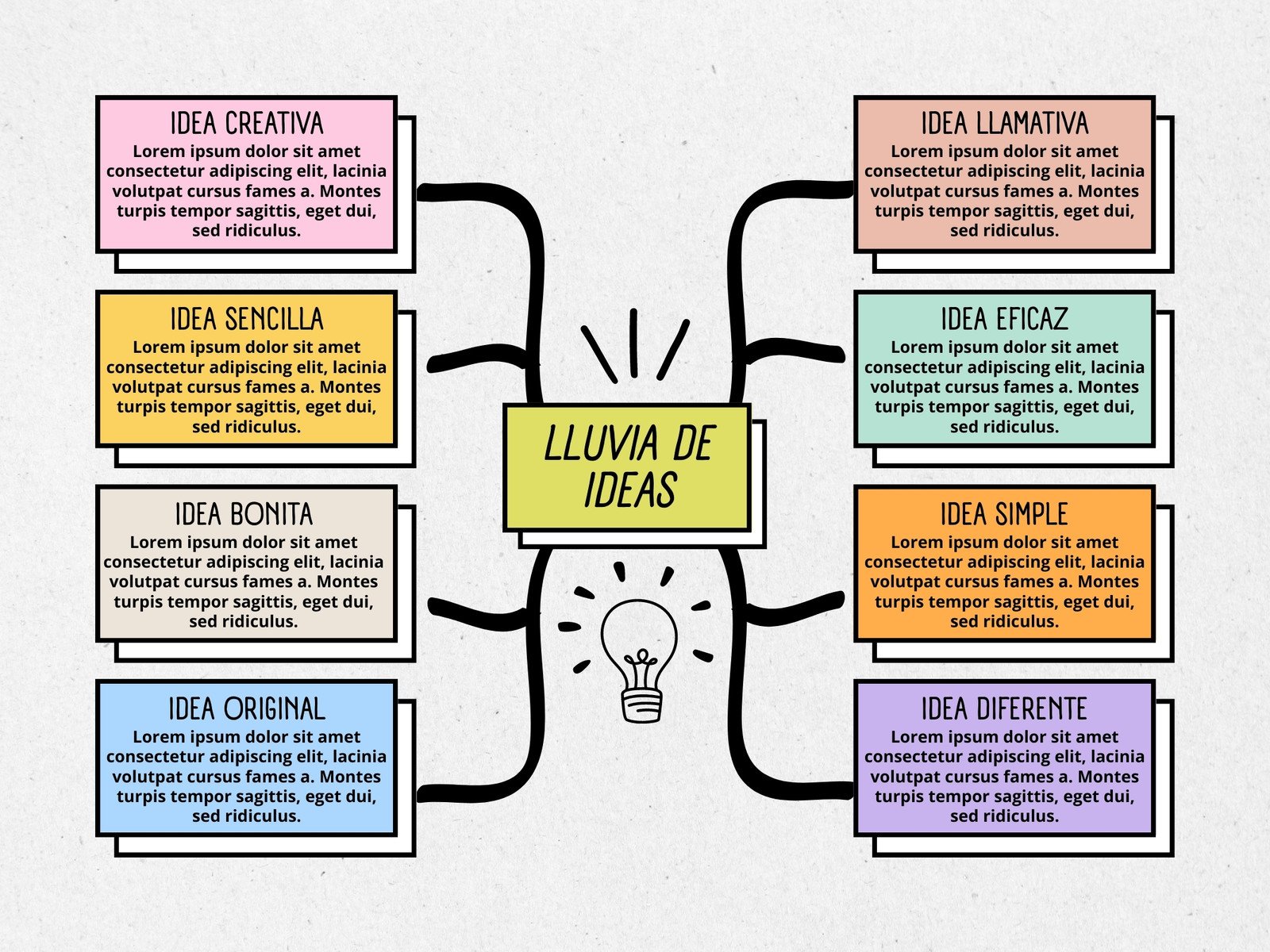
Ejemplos De Un Mapa Conceptual | Crear Mapa Conceptual Con Ia – TGTOEC
Top 20 Best Startup Ideas In 2026: Build A Business

Top 20 Best Startup Ideas in 2026: Build a Business
100 Items Project Ideas 2025-26 : Unlock Your Creativity - Best Project

100 Items Project Ideas 2025-26 : Unlock Your Creativity - Best Project ...
Minimal Small Living Room Ideas
:strip_icc()/AllenRes10161_preview-ad73114a04e04219a74df1e440288fe1.jpg)
Minimal Small Living Room Ideas
30 Minimalist Home Office Ideas With A Modern Touch
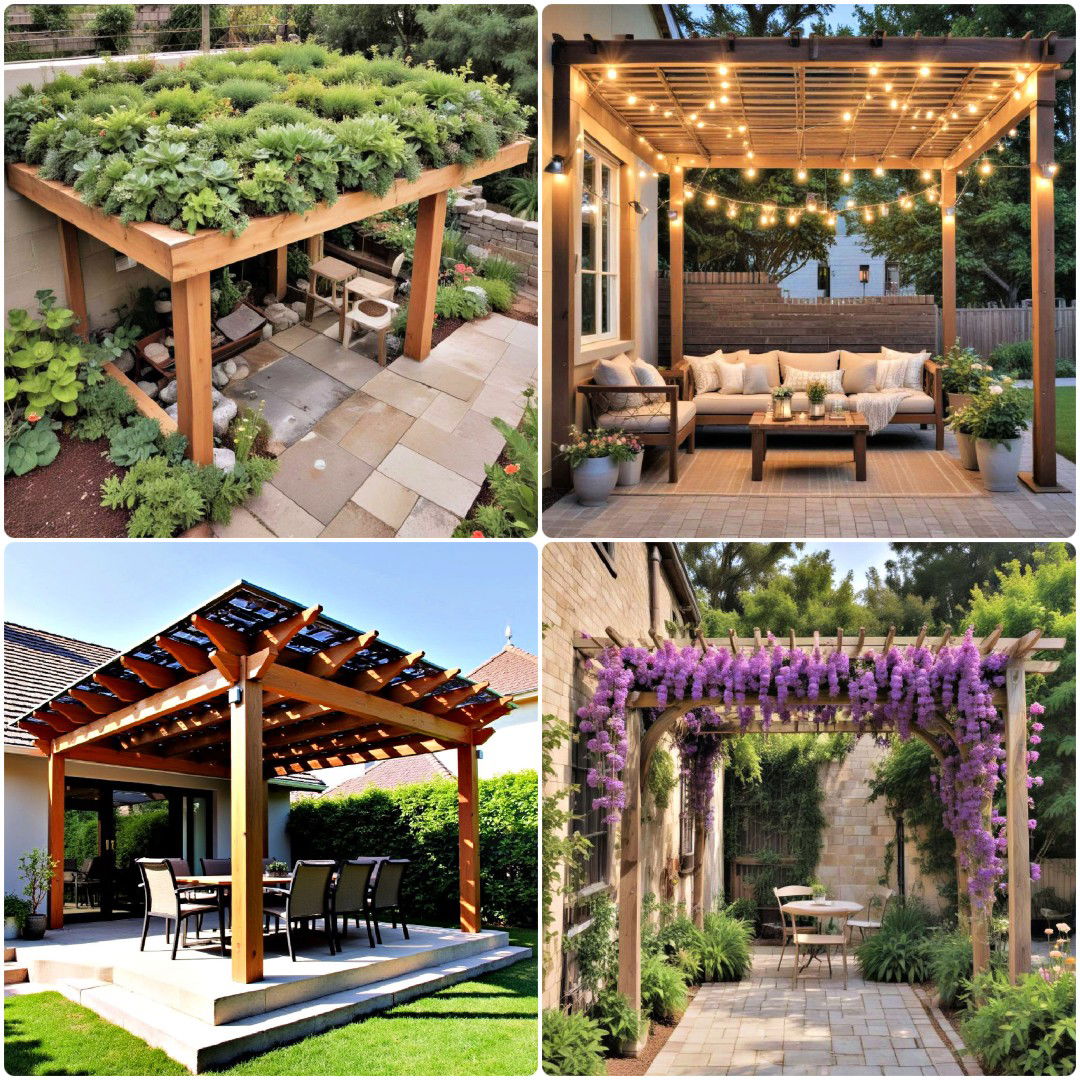
30 Minimalist Home Office Ideas with A Modern Touch