Choosing the right wall décor for a child’s room is more than a visual decision—it shapes the space’s mood, supports learning, and grows with the child. Below, practical ideas and visual references help you turn blank walls into inspiring, functional canvases without overwhelming the little one.
What’s the Best Base for Kid-Friendly Walls?
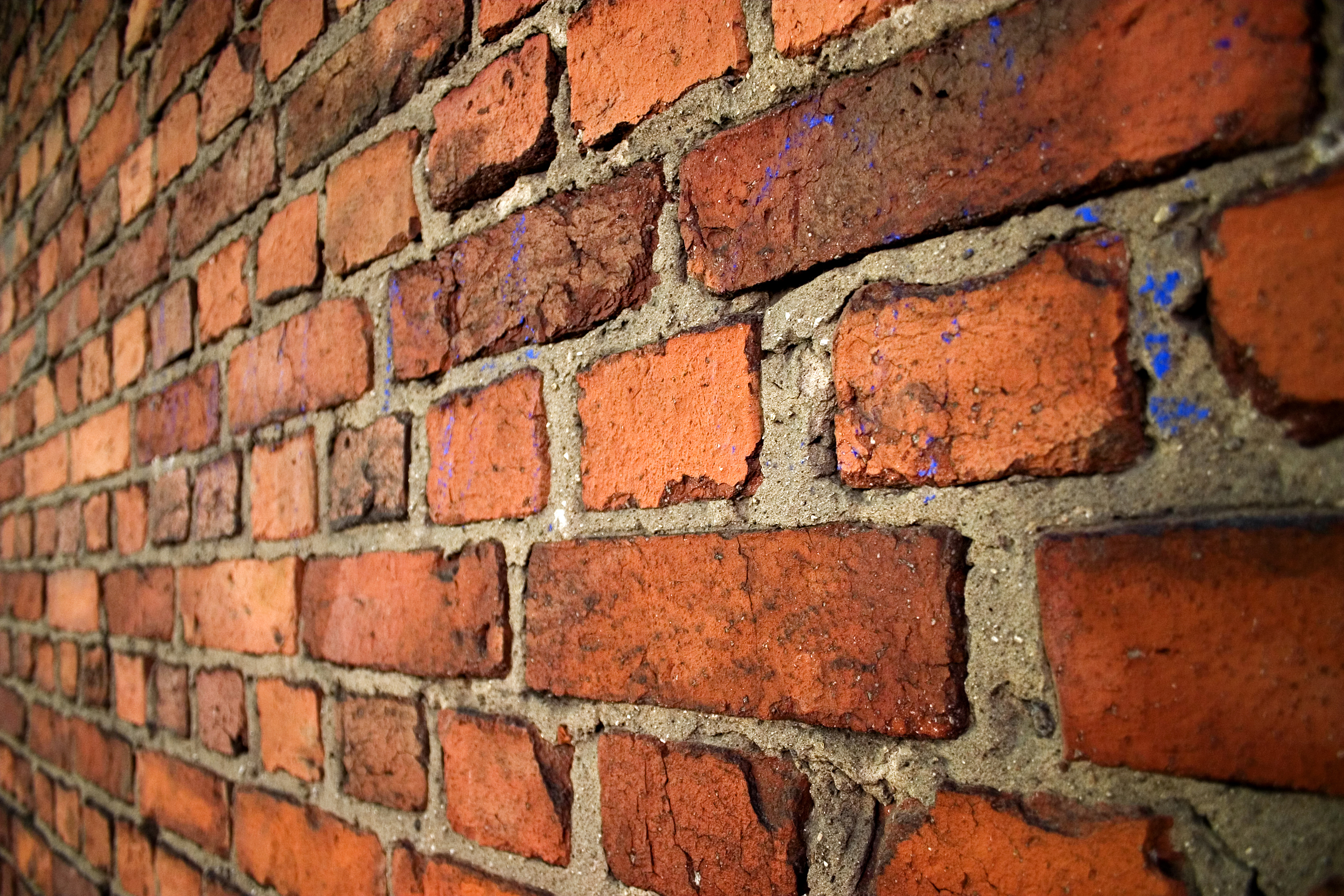
Before adding art, consider the wall’s foundation. A smooth, neutral surface—white or light gray—lets bright colors pop and keeps the room feeling airy. If you want a more industrial vibe that still works for kids, a textured concrete wall can add depth and a modern edge. For instance, the Concrete wall.jpg image illustrates how a subtle, earthy backdrop can be a versatile canvas for playful accents.
Can Colorful Murals Turn a Room Into a Storybook?
Murals are a bold choice that can transform a single wall into a narrative scene. Opt for simple, large-scale designs—like a jungle canopy, a galaxy swirl, or a city skyline—to avoid visual clutter. Hand‑painted or peel‑and‑stick options keep costs low and allow for easy updates as interests shift. For a quick DIY, use washable paint and stencils to outline a favorite animal or cartoon character.
How Do Frame Displays Encourage Creativity?
Frames can turn ordinary photos into a gallery that celebrates family memories or educational milestones. Mix sizes and shapes—rectangular, oval, and square—to add visual interest. A rotating display, where children swap out pictures monthly, fosters ownership and keeps the room fresh. Use inexpensive cardboard frames painted in primary colors for a playful touch.
What About Interactive Wall Elements?
Incorporating functional art—such as magnetic paint for a fridge-like surface, chalkboard panels, or pegboard organizers—adds playfulness and utility. A magnetic wall lets kids attach letters, stickers, or toys, turning learning into a tactile activity. Chalkboards encourage drawing and message writing, while pegboards can hold books, crafts, or seasonal décor.
Can a Simple Palette Keep the Room Timeless?
Choosing a limited color scheme—two or three complementary hues—creates harmony and scales as the child grows. White paneled walls, like the first image in our collection, provide a clean, timeless backdrop that works with any theme. Pair them with accent walls in muted pastel or bold primary shades to maintain flexibility while keeping the room cohesive.

Which Practical Tips Ensure Longevity?
- Use washable or removable finishes: Kids touch everything, so choose paints that can be cleaned without damage.
- Secure hanging hardware: Anchor frames and shelves to studs to prevent accidents.
- Plan for growth: Select artwork that can evolve—think modular decals or interchangeable panels.
With these strategies, you can create a dynamic, engaging space that nurtures imagination and adapts to your child’s changing tastes. Start with a neutral base, layer in interactive or narrative elements, and remember that the best décor is both beautiful and functional.
Choosing the right wall décor for a child’s room is more than a visual decision—it shapes the space’s mood, supports learning, and grows with the child. Below, practical ideas and visual references help you turn blank walls into inspiring, functional canvases without overwhelming the little one.
What’s the Best Base for Kid-Friendly Walls?
Before adding art, consider the wall’s foundation. A smooth, neutral surface—white or light gray—lets bright colors pop and keeps the room feeling airy. If you want a more industrial vibe that still works for kids, a textured concrete wall can add depth and a modern edge. For instance, the Concrete wall.jpg image illustrates how a subtle, earthy backdrop can be a versatile canvas for playful accents.
Can Colorful Murals Turn a Room Into a Storybook?
Murals are a bold choice that can transform a single wall into a narrative scene. Opt for simple, large-scale designs—like a jungle canopy, a galaxy swirl, or a city skyline—to avoid visual clutter. Hand‑painted or peel‑and‑stick options keep costs low and allow for easy updates as interests shift. For a quick DIY, use washable paint and stencils to outline a favorite animal or cartoon character.
How Do Frame Displays Encourage Creativity?
Frames can turn ordinary photos into a gallery that celebrates family memories or educational milestones. Mix sizes and shapes—rectangular, oval, and square—to add visual interest. A rotating display, where children swap out pictures monthly, fosters ownership and keeps the room fresh. Use inexpensive cardboard frames painted in primary colors for a playful touch.
What About Interactive Wall Elements?
Incorporating functional art—such as magnetic paint for a fridge-like surface, chalkboard panels, or pegboard organizers—adds playfulness and utility. A magnetic wall lets kids attach letters, stickers, or toys, turning learning into a tactile activity. Chalkboards encourage drawing and message writing, while pegboards can hold books, crafts, or seasonal décor.
Can a Simple Palette Keep the Room Timeless?
Choosing a limited color scheme—two or three complementary hues—creates harmony and scales as the child grows. White paneled walls, like the first image in our collection, provide a clean, timeless backdrop that works with any theme. Pair them with accent walls in muted pastel or bold primary shades to maintain flexibility while keeping the room cohesive.
Which Practical Tips Ensure Longevity?
- Use washable or removable finishes: Kids touch everything, so choose paints that can be cleaned without damage.
- Secure hanging hardware: Anchor frames and shelves to studs to prevent accidents.
- Plan for growth: Select artwork that can evolve—think modular decals or interchangeable panels.
With these strategies, you can create a dynamic, engaging space that nurtures imagination and adapts to your child’s changing tastes. Start with a neutral base, layer in interactive or narrative elements, and remember that the best décor is both beautiful and functional.
DIY Geometric Accent Wall Panels, Architectural MDF Wall Molding Kit
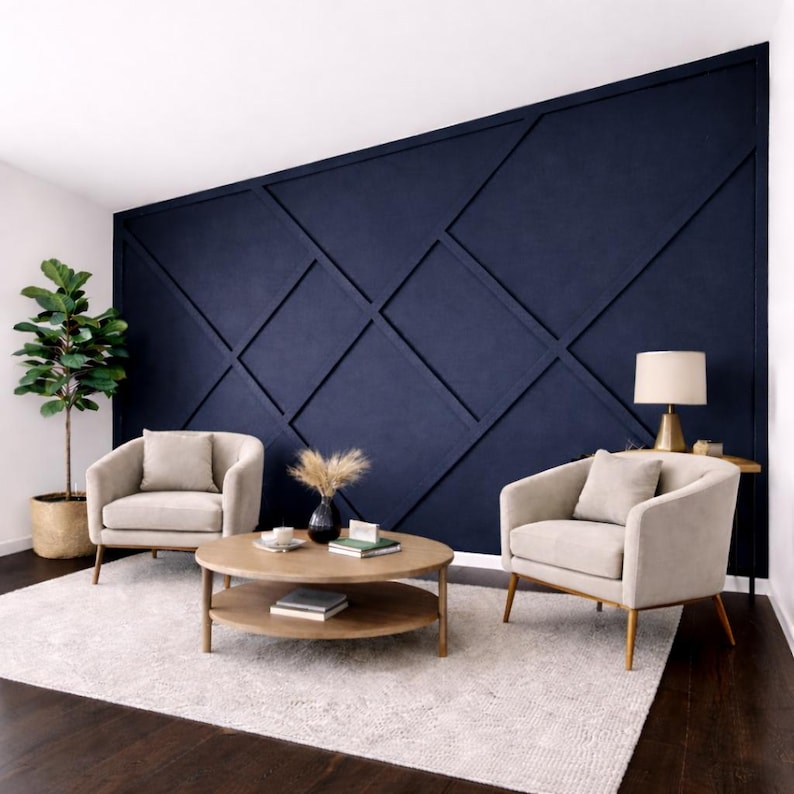
DIY Geometric Accent Wall Panels, Architectural MDF Wall Molding Kit ...
Traditional Oak Wall Panels
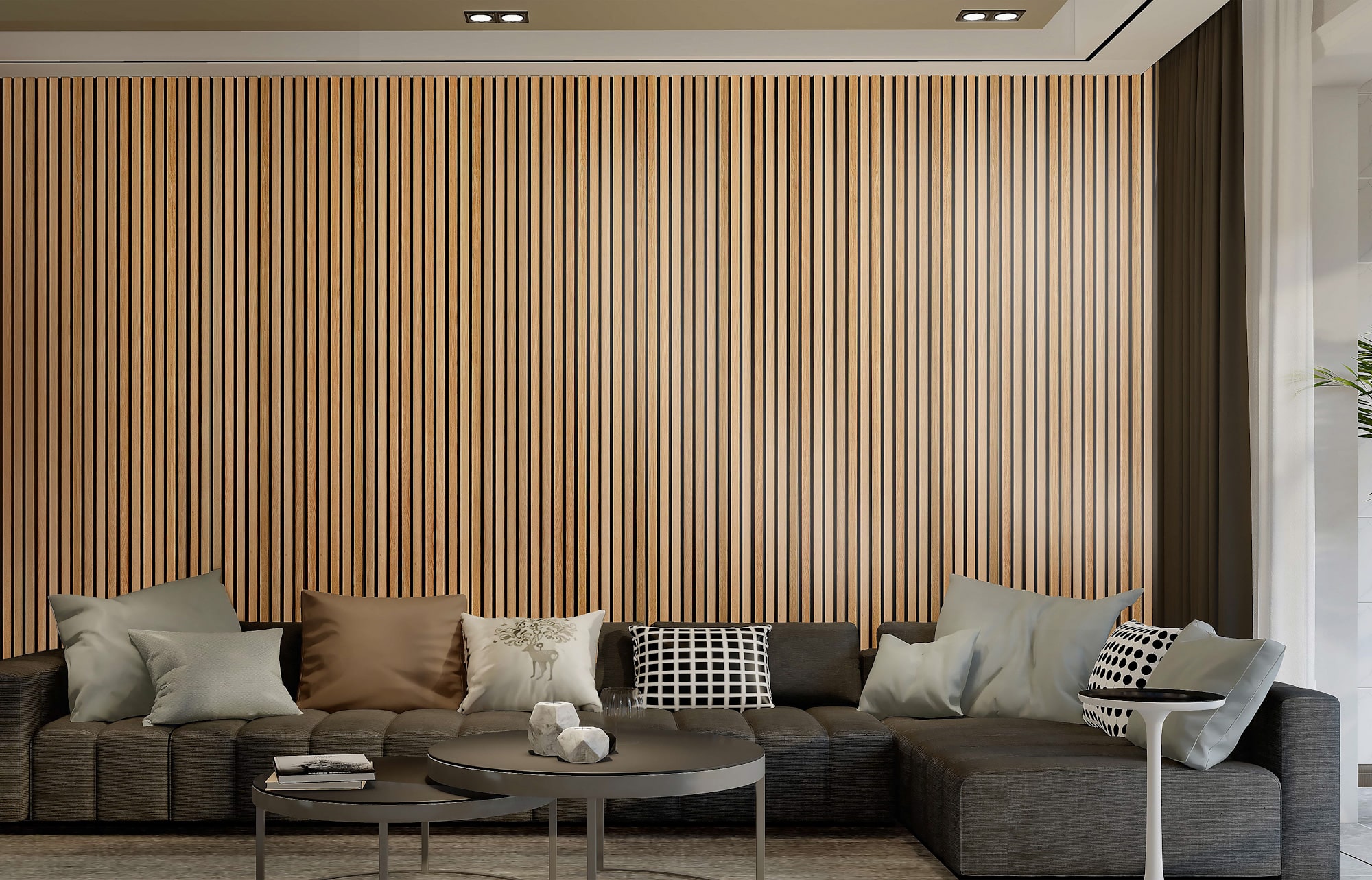
Traditional Oak Wall Panels
How To Find Load Bearing Walls

How to find Load Bearing Walls