Adding dog art for kids room spaces is more than a decorative choice—it’s a way to build connection and imagination. Yet many parents stumble over basics like scale, theme coherence, and educational potential. By addressing these missteps early, you can transform playful wall murals into thoughtful focal points that grow with your child. Let’s explore smarter paths forward.
Overcomplicating the Design with Too Much Detail

Busy prints with multiple animals, intricate patterns, or dense text often overwhelm young minds. Instead, aim for clean lines and single-subject focus. A simple black-and-white sketch or bold graphic of one breed lets eyes rest while sparking curiosity. Less clutter means more enduring appeal.
Misjudging Scale and Placement
Huge canvases dwarfing cribs or beds create visual strain, while tiny prints near ceiling height disappear entirely. Measure wall space first. Art above a changing table should sit at eye level—roughly 24 to 30 inches from the floor. Large dog art for kids room pieces work best on taller walls, while petite prints suit hallways or doorways. Test placement with tape before committing.
Ignoring Color Harmony with the Room
Jarring neon prints clash with neutral walls, creating discord rather than joy. Pull colors from your existing decor: soft blues, warm yellows, or muted greens. If your palette leans modern, try minimalist dog silhouettes; for cozy themes, opt for watercolor-style pups. Matching hues make the space feel intentional, not accidental.
Overloading with Too Many Breeds
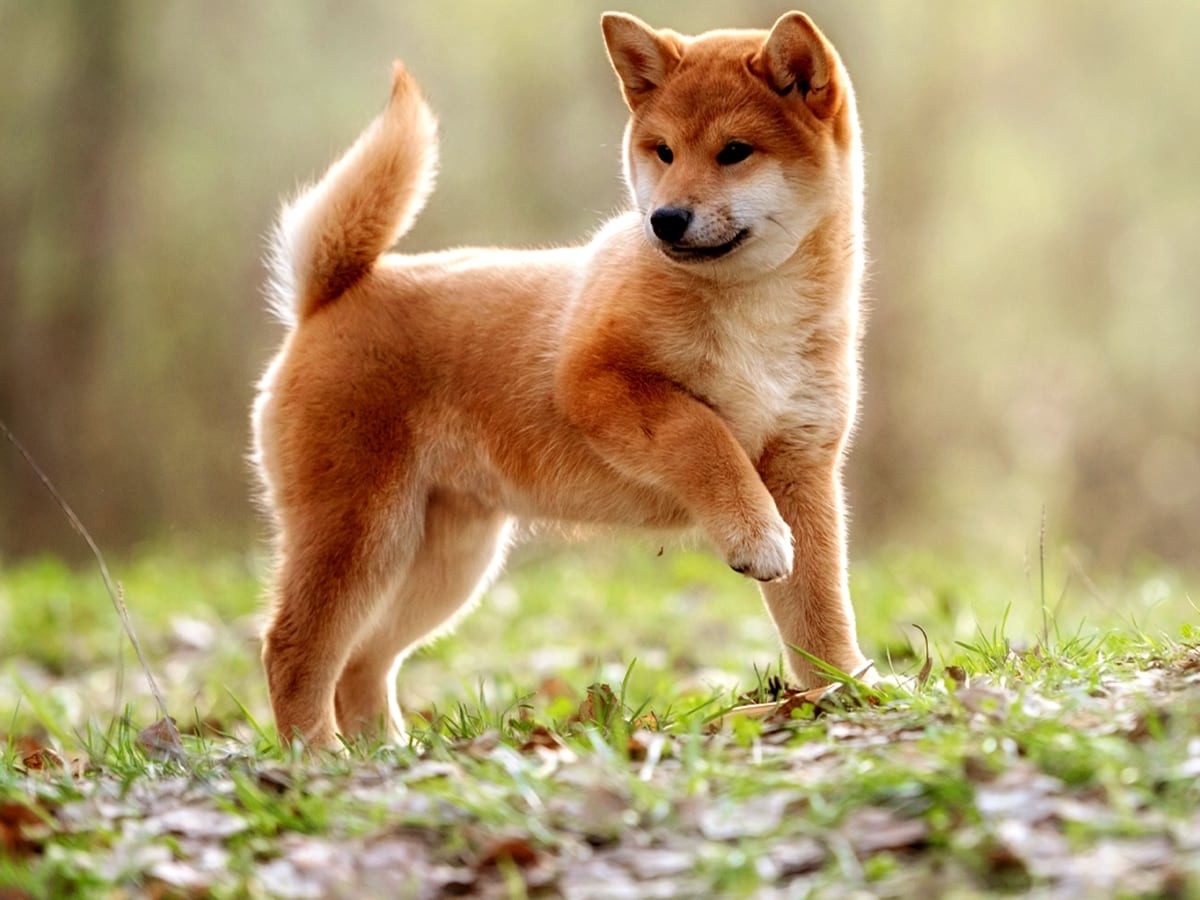
Displaying every breed at once crowds walls and confuses young viewers. Curate a set of 3–5 favorites that align with your story—such as focusing on Japanese breeds like Shiba Inu or Akita for cultural flair. Limited choices create cohesion and allow deeper engagement with each character.
Missing an Educational Hook
Purely decorative art wastes potential. Pair canvases with plaques naming breeds or personalities—e.g., "Border Collie: Natural Problem Solver." Add book corners with breed fact cards. This turns dog art for kids room displays into learning tools without sounding school-related.
Choosing Low-Quality Prints That Fade or Tear
Cheap posters yellow, crack, or bubble over time. Invest in gallery-wrapped canvases or archival paper with UV protection. If framing, use shatter-resistant acrylic for safety. Durable finishes keep the art vibrant through toddler years and beyond, protecting your investment while ensuring safe, long-lasting beauty.
Adding dog art for kids room spaces is more than a decorative choice—it’s a way to build connection and imagination. Yet many parents stumble over basics like scale, theme coherence, and educational potential. By addressing these missteps early, you can transform playful wall murals into thoughtful focal points that grow with your child. Let’s explore smarter paths forward.
Overcomplicating the Design with Too Much Detail
Busy prints with multiple animals, intricate patterns, or dense text often overwhelm young minds. Instead, aim for clean lines and single-subject focus. A simple black-and-white sketch or bold graphic of one breed lets eyes rest while sparking curiosity. Less clutter means more enduring appeal.
Misjudging Scale and Placement
Huge canvases dwarfing cribs or beds create visual strain, while tiny prints near ceiling height disappear entirely. Measure wall space first. Art above a changing table should sit at eye level—roughly 24 to 30 inches from the floor. Large dog art for kids room pieces work best on taller walls, while petite prints suit hallways or doorways. Test placement with tape before committing.
Ignoring Color Harmony with the Room
Jarring neon prints clash with neutral walls, creating discord rather than joy. Pull colors from your existing decor: soft blues, warm yellows, or muted greens. If your palette leans modern, try minimalist dog silhouettes; for cozy themes, opt for watercolor-style pups. Matching hues make the space feel intentional, not accidental.
Overloading with Too Many Breeds
Displaying every breed at once crowds walls and confuses young viewers. Curate a set of 3–5 favorites that align with your story—such as focusing on Japanese breeds like Shiba Inu or Akita for cultural flair. Limited choices create cohesion and allow deeper engagement with each character.
Missing an Educational Hook
Purely decorative art wastes potential. Pair canvases with plaques naming breeds or personalities—e.g., "Border Collie: Natural Problem Solver." Add book corners with breed fact cards. This turns dog art for kids room displays into learning tools without sounding school-related.
Choosing Low-Quality Prints That Fade or Tear
Cheap posters yellow, crack, or bubble over time. Invest in gallery-wrapped canvases or archival paper with UV protection. If framing, use shatter-resistant acrylic for safety. Durable finishes keep the art vibrant through toddler years and beyond, protecting your investment while ensuring safe, long-lasting beauty.
What Is A Dog Relationship
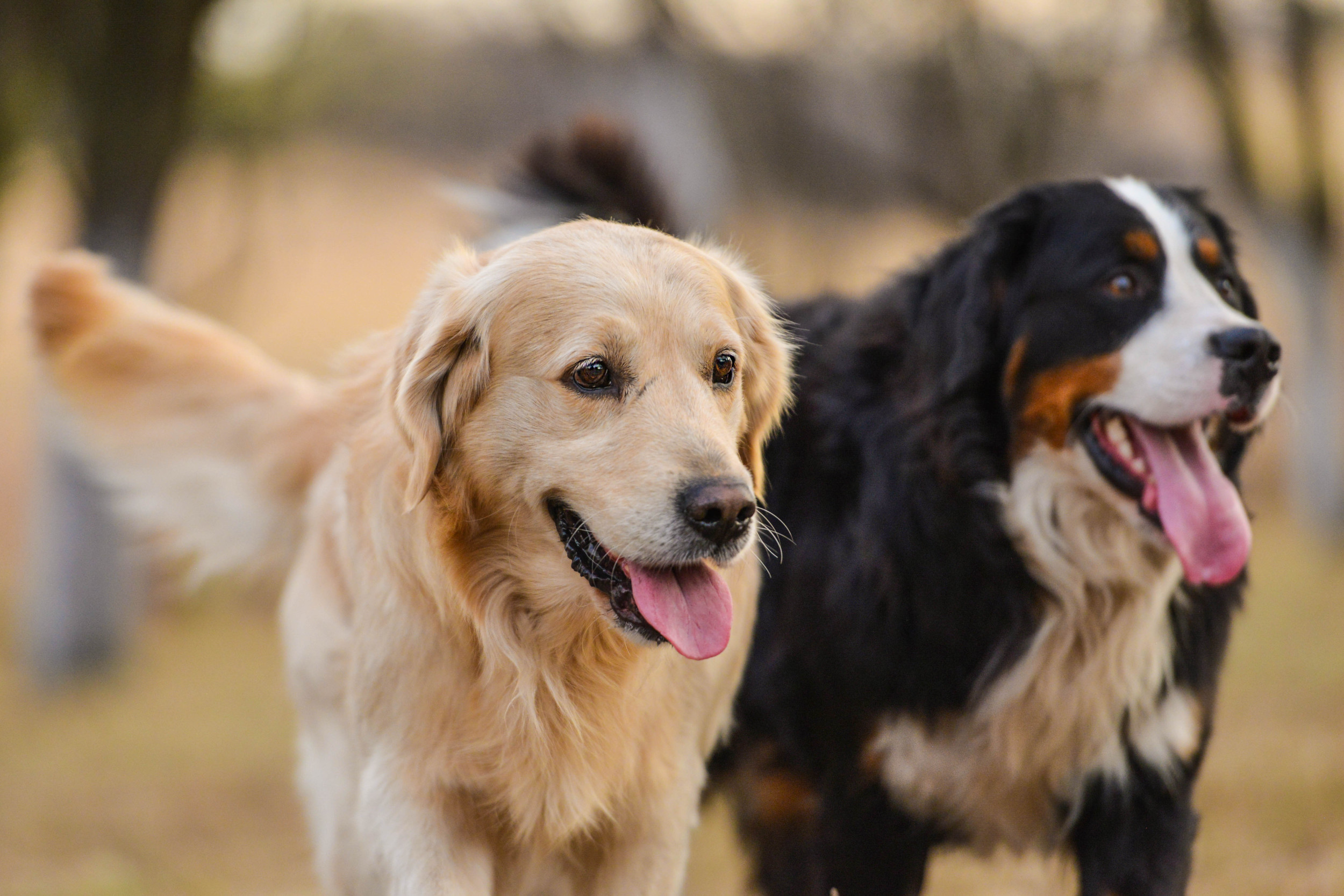
What is a dog relationship
Types Of Cattle Dogs
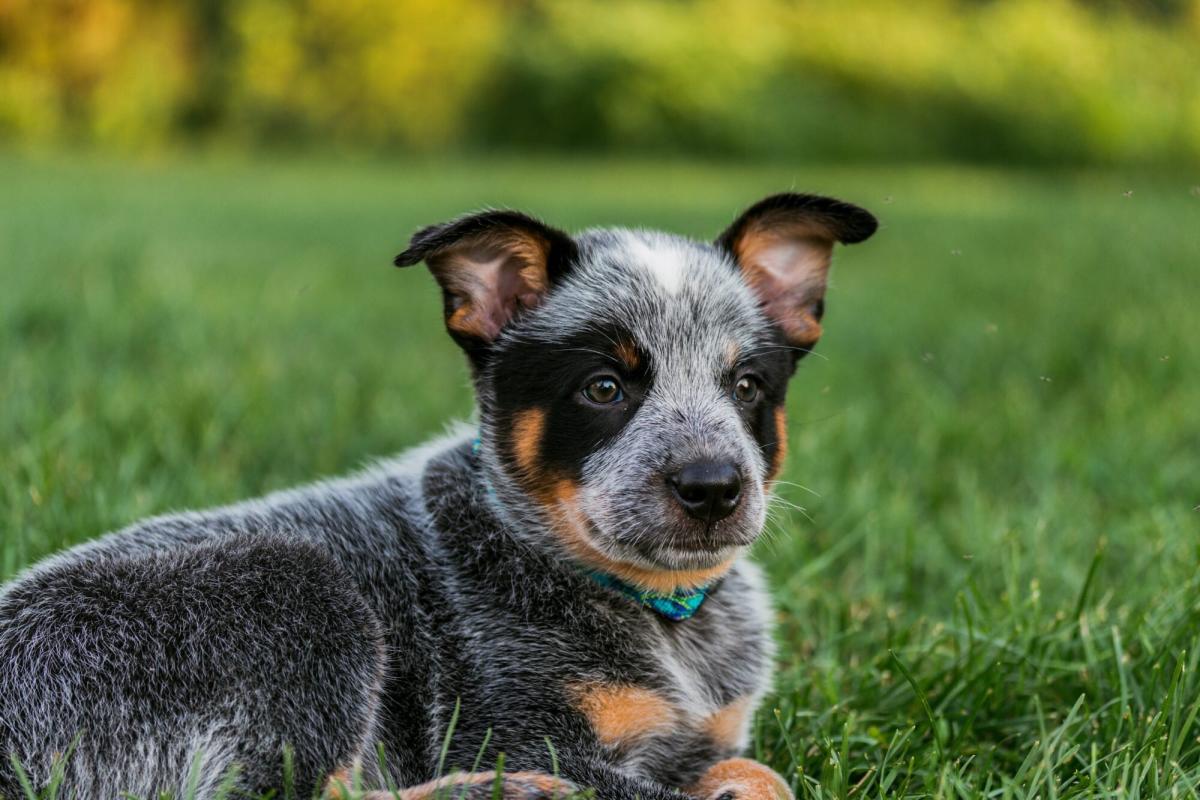
Types Of Cattle Dogs
Dog Breeds
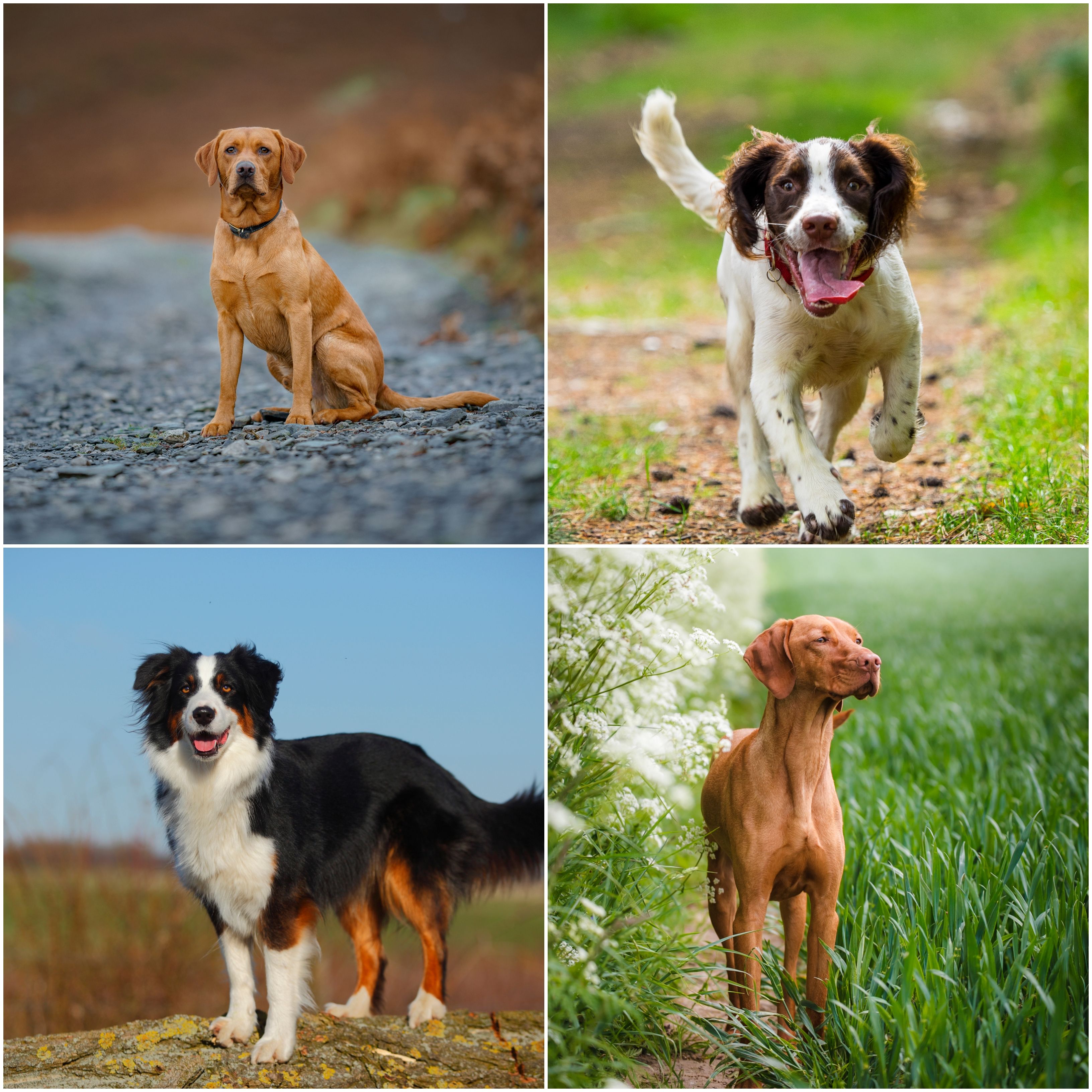
Dog Breeds