When you set out to decorate a child’s bedroom, the choice of artwork can feel as important as the paint color or furniture layout. The right piece not only brightens the space but also supports imagination, learning, and a sense of ownership. Below, we break down the practical considerations, weigh the benefits against potential drawbacks, and give you a clear roadmap for selecting artwork that truly works for a kids room.
Match the Theme Without Overwhelming the Space
A cohesive theme—whether it’s jungle wildlife, outer‑space adventure, or classic storybook characters—creates visual harmony. However, too many competing motifs can make the room feel cluttered. Start by picking one anchor image that reflects the child’s interests, then add complementary accents that echo its colors or shapes. This approach keeps the room lively yet manageable.

The bold lines and bright palette of this bull artwork illustrate how a single animal motif can become a focal point without dominating the entire wall, leaving room for shelves, toys, and other décor.
Prioritize Durability and Safety
Kids rooms are high‑traffic zones. Choose prints on canvas or laminated paper that resist tears, spills, and fading. Framed pieces should have rounded corners and be hung at a height out of reach of small hands. If you prefer a more flexible option, removable wall decals can provide vivid graphics while safeguarding walls.
Balance Cost With Long‑Term Value
Custom‑commissioned art can be pricey, yet its uniqueness may become a cherished heirloom. In contrast, mass‑produced prints are affordable but may lack the personal touch that encourages a child’s connection to the space. Assess your budget and decide whether a single statement piece—like a high‑quality canvas—offers better value than several cheaper prints.
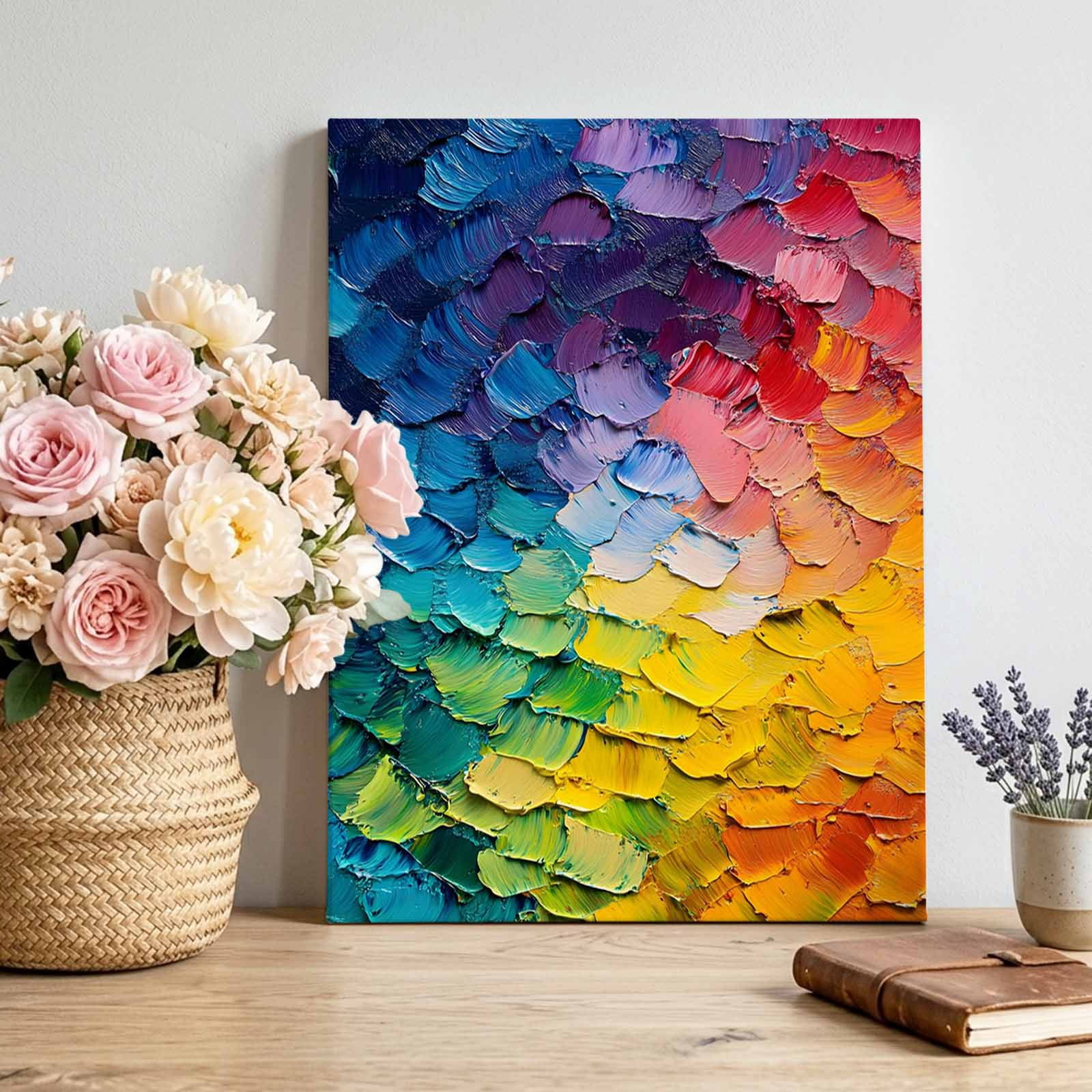
Abstract brushstroke canvases bring vibrancy and can grow with the child, making them a cost‑effective way to keep the room feeling fresh as tastes evolve.
Consider Growth: From Nursery to Tween
Artwork that feels appropriate now might look out of place in a few years. Opt for pieces with neutral backgrounds and bold shapes that can transition from a toddler’s wonderland to a teen’s more sophisticated style. For example, a stylized animal silhouette works for a preschooler but can be repurposed as a “vintage” wall art piece later.
Make It Interactive
Beyond passive décor, interactive artwork—such as magnetic boards, chalkboard panels, or framed puzzles—can turn a wall into a play zone. These selections nurture creativity while serving a functional purpose, reducing the need for separate toy storage.
Finalize Placement and Installation
Measure the wall area before purchasing and use painter’s tape to outline the intended layout. Hang the anchor piece at eye level for the child's age group, typically around 4–5 feet from the floor for elementary‑age kids. Ensure mounting hardware is secure; toggle bolts or picture hooks rated for the frame’s weight prevent accidents.
When you set out to decorate a child’s bedroom, the choice of artwork can feel as important as the paint color or furniture layout. The right piece not only brightens the space but also supports imagination, learning, and a sense of ownership. Below, we break down the practical considerations, weigh the benefits against potential drawbacks, and give you a clear roadmap for selecting artwork that truly works for a kids room.
Match the Theme Without Overwhelming the Space
A cohesive theme—whether it’s jungle wildlife, outer‑space adventure, or classic storybook characters—creates visual harmony. However, too many competing motifs can make the room feel cluttered. Start by picking one anchor image that reflects the child’s interests, then add complementary accents that echo its colors or shapes. This approach keeps the room lively yet manageable.
The bold lines and bright palette of this bull artwork illustrate how a single animal motif can become a focal point without dominating the entire wall, leaving room for shelves, toys, and other décor.
Prioritize Durability and Safety
Kids rooms are high‑traffic zones. Choose prints on canvas or laminated paper that resist tears, spills, and fading. Framed pieces should have rounded corners and be hung at a height out of reach of small hands. If you prefer a more flexible option, removable wall decals can provide vivid graphics while safeguarding walls.
Balance Cost With Long‑Term Value
Custom‑commissioned art can be pricey, yet its uniqueness may become a cherished heirloom. In contrast, mass‑produced prints are affordable but may lack the personal touch that encourages a child’s connection to the space. Assess your budget and decide whether a single statement piece—like a high‑quality canvas—offers better value than several cheaper prints.
Abstract brushstroke canvases bring vibrancy and can grow with the child, making them a cost‑effective way to keep the room feeling fresh as tastes evolve.
Consider Growth: From Nursery to Tween
Artwork that feels appropriate now might look out of place in a few years. Opt for pieces with neutral backgrounds and bold shapes that can transition from a toddler’s wonderland to a teen’s more sophisticated style. For example, a stylized animal silhouette works for a preschooler but can be repurposed as a “vintage” wall art piece later.
Make It Interactive
Beyond passive décor, interactive artwork—such as magnetic boards, chalkboard panels, or framed puzzles—can turn a wall into a play zone. These selections nurture creativity while serving a functional purpose, reducing the need for separate toy storage.
Finalize Placement and Installation
Measure the wall area before purchasing and use painter’s tape to outline the intended layout. Hang the anchor piece at eye level for the child's age group, typically around 4–5 feet from the floor for elementary‑age kids. Ensure mounting hardware is secure; toggle bolts or picture hooks rated for the frame’s weight prevent accidents.
Neo-Expressionism Creature Artwork Free Stock Photo - Public Domain

Neo-Expressionism Creature Artwork Free Stock Photo - Public Domain ...
Neo-Expressionism Creature Artwork Free Stock Photo - Public Domain

Neo-Expressionism Creature Artwork Free Stock Photo - Public Domain ...
Valentine Heart Artwork Print Free Stock Photo - Public Domain Pictures

Valentine Heart Artwork Print Free Stock Photo - Public Domain Pictures