There is a specific kind of sticker shock that hits when you are shopping for wall decor. You walk past the generic, neon cartoon posters and realize you want something that actually looks good in your home, but you also know kids are hard on their surroundings. Finding high-quality **art for kids room** spaces doesn't have to mean spending a fortune or settling for disposable prints. It is about finding that sweet spot where imagination meets value, creating a space that feels personal to your child without requiring a total overhaul every two years.
When the Goal is to Ignite Global Curiosity
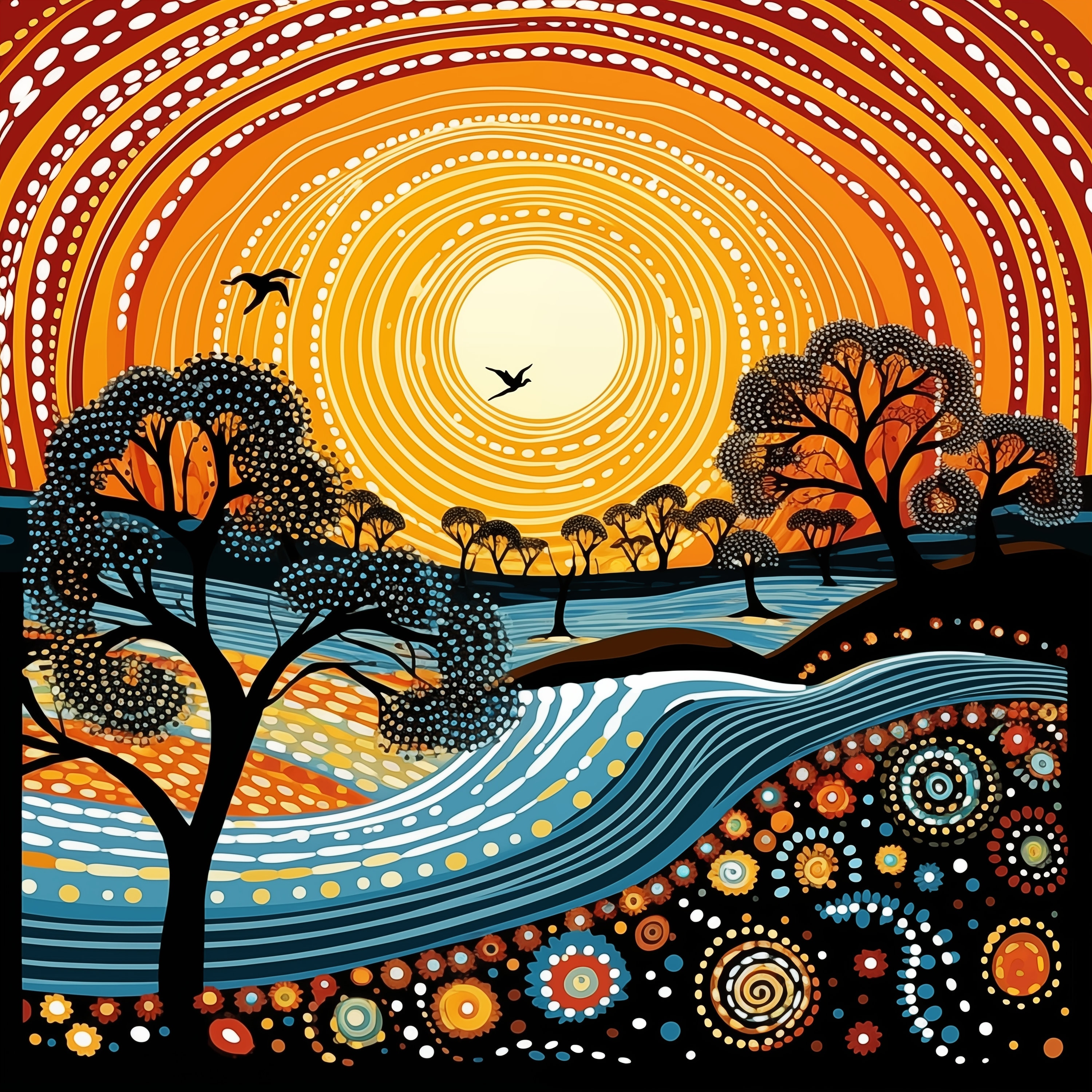
We often underestimate how much visual stimulation impacts a child's learning environment. Instead of another movie poster, consider pieces that tell a story from a different culture. Prints featuring Australian Aboriginal styles, for instance, use intricate dot work and earth tones that can ground a room while looking sophisticated. These pieces often serve as conversation starters about far-off places and traditional storytelling methods. From a value perspective, culturally rich art tends to feel less "babyish," meaning you won't feel the pressure to replace it the moment your child hits grade school. It creates a timeless look that blends well with neutral furniture.
When You Need Decor That Survives the Age Transitions

One of the biggest wastes of money is buying themed art that a child outgrows in eighteen months. A better long-term investment is abstract or fantasy-based imagery. This style invites interpretation rather than dictating a specific fandom. A print with swirling colors and ambiguous shapes captures the feeling of a dream or a fantasy world without locking the room into a specific cartoon character. This flexibility is key for value-focused buyers; you can change the bedding and the rug as their tastes evolve, but that abstract art on the wall remains relevant and cool right through their teenage years.
When You Are Mixing High Style with Low Costs
Finally, don't overlook the power of how you display the artwork. You can find incredible, open-edition prints that look expensive when framed correctly. To keep costs down, look for standard frame sizes like 11x14 or 16x20, which are often on discount at big-box stores, rather than opting for custom framing. Another practical move is to create a gallery wall. By grouping smaller, affordable prints together, you fill a large visual space without needing to purchase one massive, expensive canvas. This approach allows you to swap out one piece at a time as you find new favorites, keeping the room feeling fresh without a total redo.
There is a specific kind of sticker shock that hits when you are shopping for wall decor. You walk past the generic, neon cartoon posters and realize you want something that actually looks good in your home, but you also know kids are hard on their surroundings. Finding high-quality **art for kids room** spaces doesn't have to mean spending a fortune or settling for disposable prints. It is about finding that sweet spot where imagination meets value, creating a space that feels personal to your child without requiring a total overhaul every two years.
When the Goal is to Ignite Global Curiosity
We often underestimate how much visual stimulation impacts a child's learning environment. Instead of another movie poster, consider pieces that tell a story from a different culture. Prints featuring Australian Aboriginal styles, for instance, use intricate dot work and earth tones that can ground a room while looking sophisticated. These pieces often serve as conversation starters about far-off places and traditional storytelling methods. From a value perspective, culturally rich art tends to feel less "babyish," meaning you won't feel the pressure to replace it the moment your child hits grade school. It creates a timeless look that blends well with neutral furniture.
When You Need Decor That Survives the Age Transitions
One of the biggest wastes of money is buying themed art that a child outgrows in eighteen months. A better long-term investment is abstract or fantasy-based imagery. This style invites interpretation rather than dictating a specific fandom. A print with swirling colors and ambiguous shapes captures the feeling of a dream or a fantasy world without locking the room into a specific cartoon character. This flexibility is key for value-focused buyers; you can change the bedding and the rug as their tastes evolve, but that abstract art on the wall remains relevant and cool right through their teenage years.
When You Are Mixing High Style with Low Costs
Finally, don't overlook the power of how you display the artwork. You can find incredible, open-edition prints that look expensive when framed correctly. To keep costs down, look for standard frame sizes like 11x14 or 16x20, which are often on discount at big-box stores, rather than opting for custom framing. Another practical move is to create a gallery wall. By grouping smaller, affordable prints together, you fill a large visual space without needing to purchase one massive, expensive canvas. This approach allows you to swap out one piece at a time as you find new favorites, keeping the room feeling fresh without a total redo.
Colorful Carnival Folk Art Free Stock Photo - Public Domain Pictures

Colorful Carnival Folk Art Free Stock Photo - Public Domain Pictures
Colorful Carnival Folk Art Free Stock Photo - Public Domain Pictures

Colorful Carnival Folk Art Free Stock Photo - Public Domain Pictures
Folk Art Landscape Free Stock Photo - Public Domain Pictures

Folk Art Landscape Free Stock Photo - Public Domain Pictures